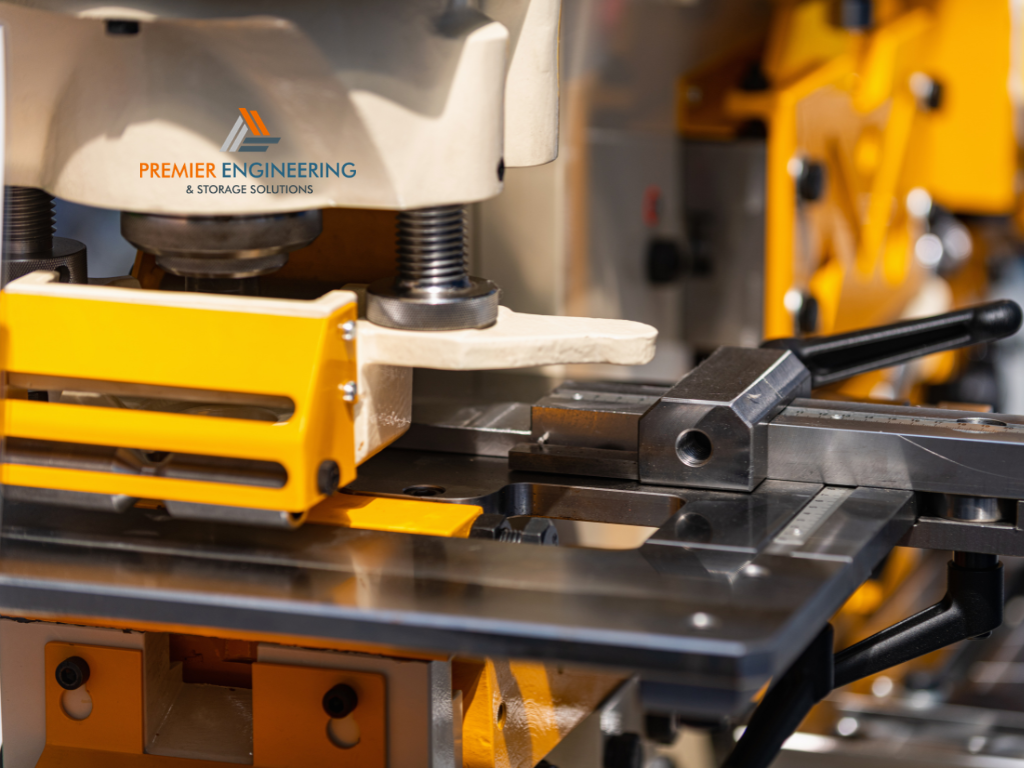
Metal punching services are widely used in modern manufacturing to shape and modify sheet metal materials. This process creates holes, slots, and patterns by applying controlled force through specialised punching machines. Manufacturers rely on this method to produce parts that require consistent and accurate dimensions.
Many industries depend on punched metal components for different applications. For example, electrical panels, machine covers, brackets, ventilation panels, and equipment housings often require punched openings. These holes and patterns allow parts to connect with other components during assembly.
Because punching machines follow precise design instructions, manufacturers can produce metal parts that match exact specifications. This accuracy is important when components must fit perfectly with other mechanical or structural elements.
Another advantage of Metal punching services is production efficiency. The punching process is faster than many traditional metal shaping techniques. As a result, manufacturers can produce large numbers of parts within a shorter period of time. This helps companies maintain consistent production schedules.
Why Manufacturers Depend on Metal punching services
Manufacturers depend on Metal punching services because the process allows them to produce consistent and reliable metal components. When a punching machine is set up with the correct tooling, it can repeat the same punching pattern across hundreds or thousands of metal sheets.
This level of consistency is extremely valuable in large-scale production. Components produced through punching maintain the same measurements and hole placements. This ensures that parts fit together properly during assembly.
Another reason manufacturers prefer punching is the ability to handle large production volumes. Automated punching machines can process multiple sheets quickly while maintaining high precision. This improves production efficiency and reduces manufacturing time.
In addition, punched metal parts can easily move to the next fabrication stage. After punching, the metal sheets may be bent, welded, or assembled with other parts. This smooth workflow helps manufacturers maintain organised production processes.
Why cnc punching service Is Common in Industrial Fabrication
How cnc punching service Improves Precision in Metal Work
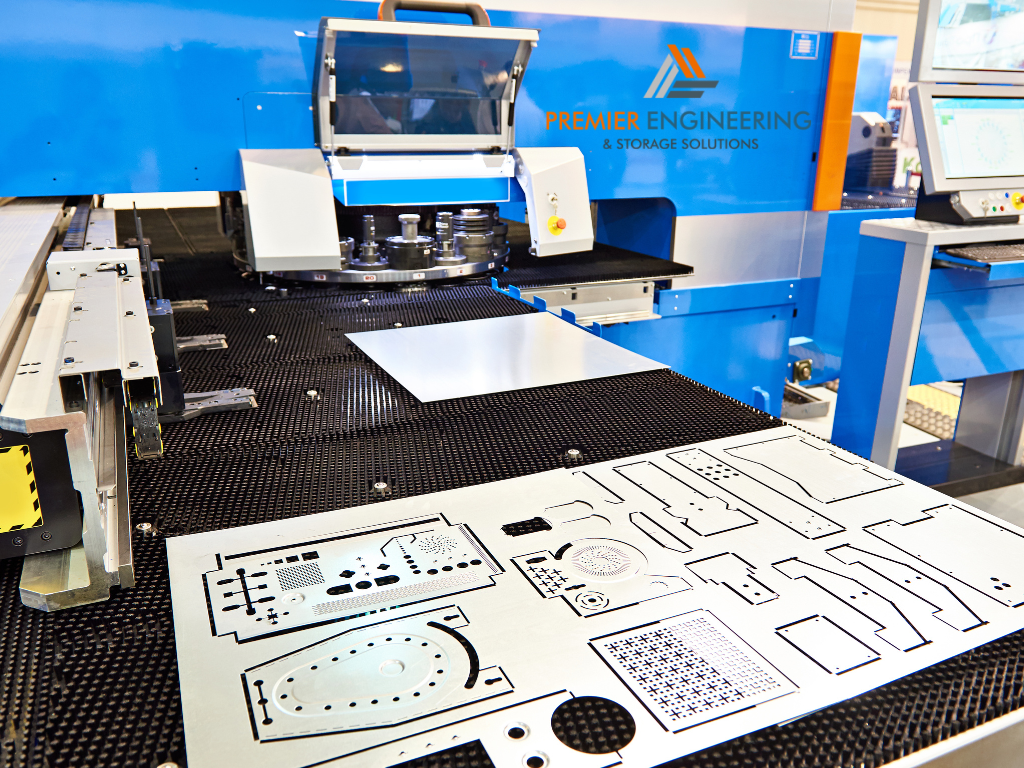
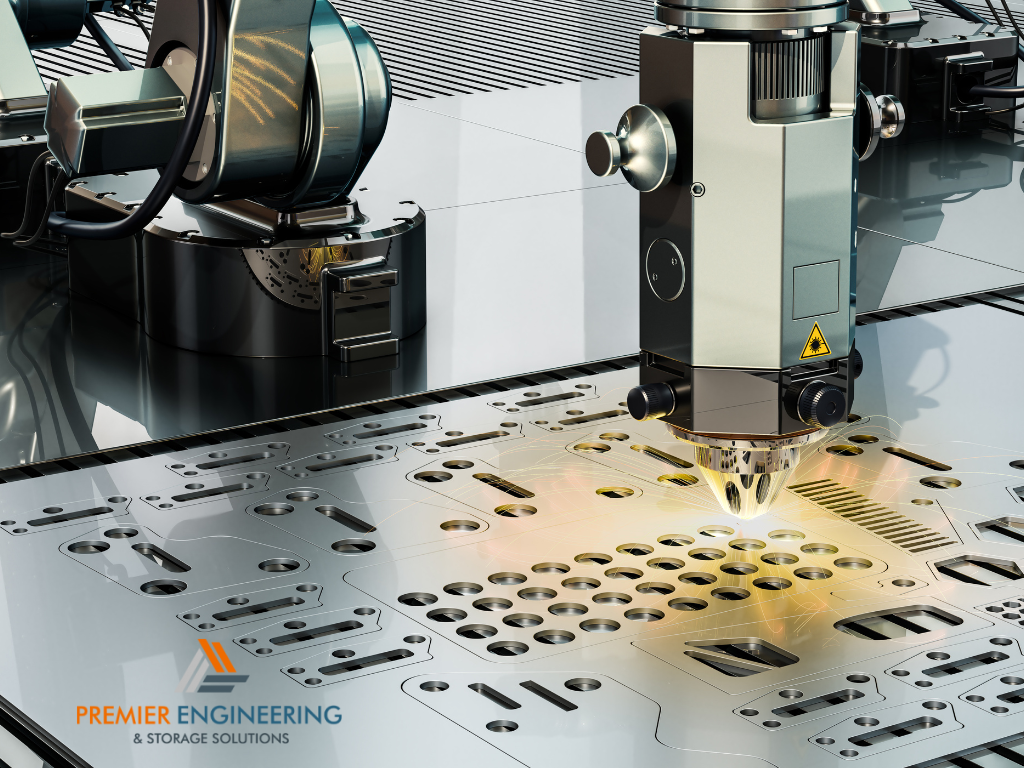
A cnc punching service uses computer-controlled machines to punch holes and shapes into metal sheets. The CNC system follows digital design files that guide the machine during the punching process.
Because the machine operates using programmed instructions, each punch is placed exactly where it is required. This eliminates many of the small errors that can occur during manual fabrication processes.
With cnc punching service, manufacturers can create complex patterns and multiple hole placements within a single sheet of metal. The computer-controlled system ensures that every part produced matches the design specifications.
This precision is especially important for industries that require highly accurate metal components. Equipment panels, control cabinets, and machine parts often rely on CNC punching to achieve consistent results.
What Industries Use cnc punching service
A wide range of industries use cnc punching service to produce metal components. The construction industry uses punched metal panels for structural systems, building frames, and ventilation panels.
Manufacturing companies also rely on punched metal parts for equipment housings and machine enclosures. These components require precise hole placement so that electrical components and mounting hardware can be installed correctly.
The electronics industry uses punched sheet metal to produce protective covers, equipment racks, and device enclosures. Similarly, the automotive sector uses punched components in vehicle assemblies and mechanical structures.
Because cnc punching service provides speed and accuracy, it has become an essential process across many manufacturing sectors.
The Role of engineering manufacturing and fabrication capabilities in Metal Production
How engineering manufacturing and fabrication capabilities Support Metal Fabrication
Strong engineering manufacturing and fabrication capabilities are essential for producing high-quality metal components. Before fabrication begins, engineers design parts using digital modelling tools and technical drawings.
These designs help determine where holes should be placed, how metal sheets should be cut, and how parts will fit together during assembly. Engineers also analyse material strength and production requirements.
When manufacturers have advanced engineering manufacturing and fabrication capabilities, they can develop efficient production methods. These capabilities allow companies to handle complex fabrication projects that require precision and technical planning.
Engineering teams also work closely with fabrication technicians to ensure production processes follow the original design. This collaboration improves accuracy and helps prevent production errors.
Why Engineering Planning Is Important Before Punching
Engineering planning is an important step before any punching process begins. During the planning stage, engineers determine how the metal sheet will be positioned and where punching operations will take place.
This preparation ensures that holes, slots, and patterns are placed correctly. Proper planning also helps reduce material waste and improves production efficiency.
Engineers may also analyse the material thickness and strength of the metal sheet. This helps determine the correct punching force and tooling required for the job.
With effective planning, punching machines can operate smoothly and produce high-quality metal parts that meet design requirements.
How industrial steel cutting machine Equipment Works with Metal Punching
What an industrial steel cutting machine Does in Fabrication
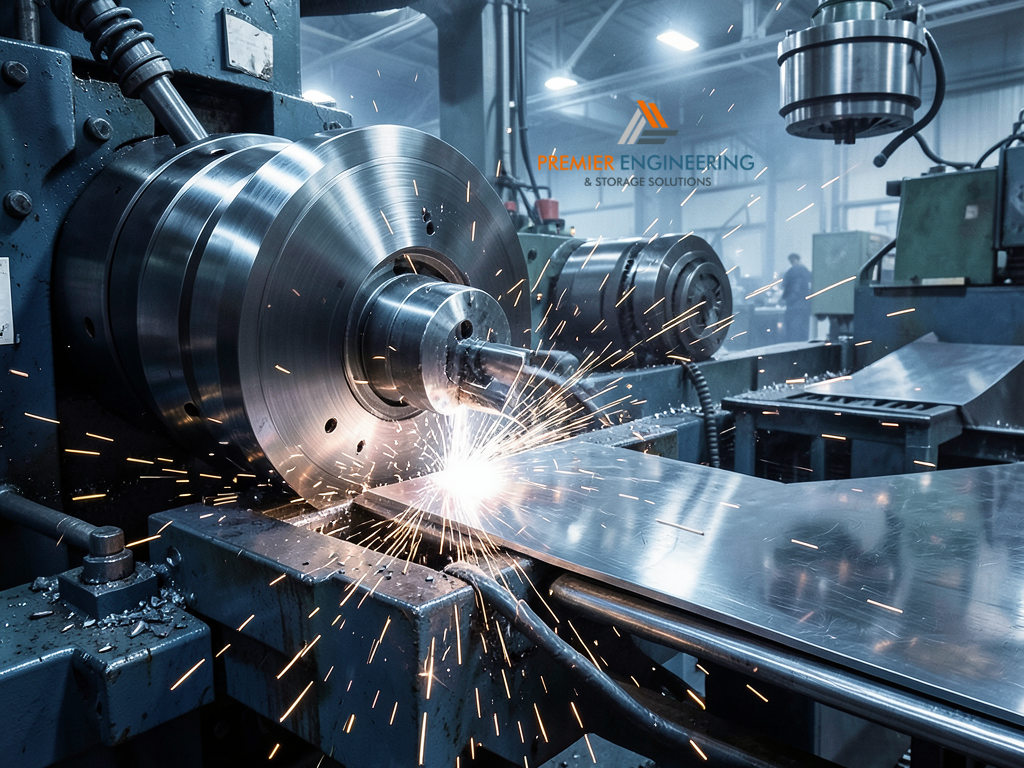
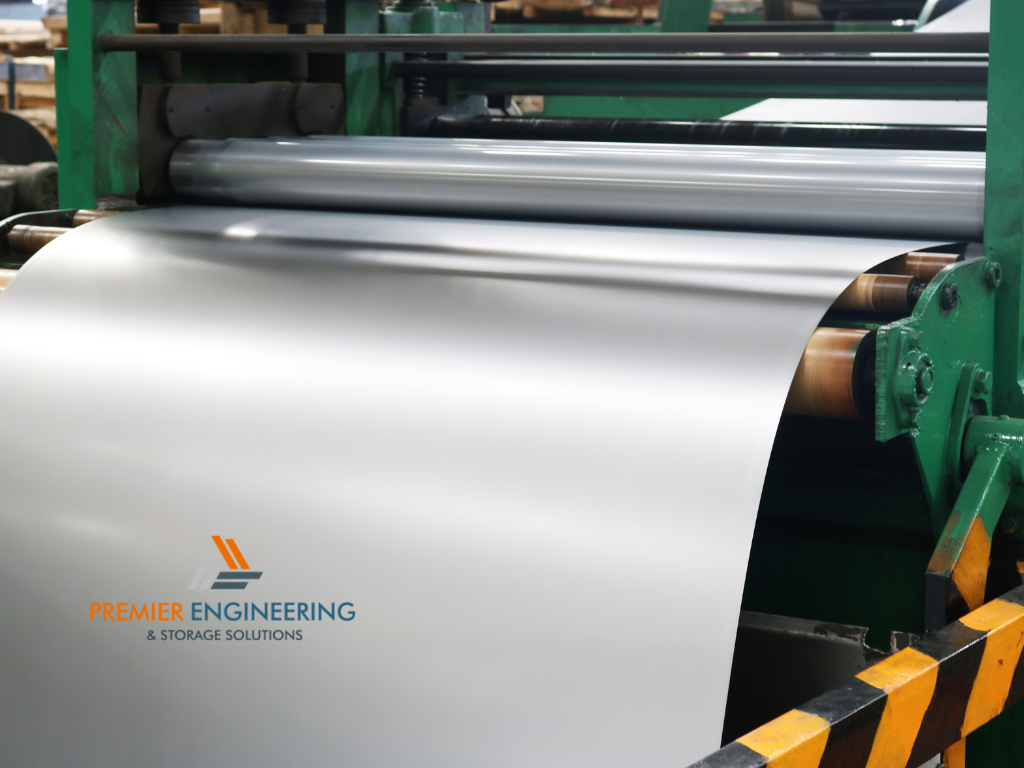
An industrial steel cutting machine plays an important role in preparing metal sheets before punching begins. These machines cut large steel sheets into smaller pieces that match the required dimensions for fabrication.
Cutting machines use specialised blades, lasers, or mechanical tools to divide the metal sheet accurately. Once the material is cut to the correct size, it becomes easier to process during punching and shaping stages.
By using an industrial steel cutting machine, manufacturers can ensure that raw materials are properly prepared for fabrication processes.
Why Cutting and Punching Processes Work Together
Cutting and punching processes often work together in metal fabrication workflows. The cutting stage defines the outer shape of the metal sheet, while punching creates internal holes and patterns.
This combination allows manufacturers to produce detailed components with both external shapes and internal features. Cutting machines prepare the material, and punching machines add the required openings.
When these processes are integrated into production lines, manufacturers can produce components more efficiently and with greater precision.
How cnc sheet metal fabrication Uses Metal Punching Techniques
What Is cnc sheet metal fabrication
cnc sheet metal fabrication is a manufacturing process that uses computer-controlled machines to shape, cut, and form sheet metal into finished components. This process combines several fabrication techniques such as punching, cutting, bending, and assembling metal sheets.
Because CNC machines follow digital instructions, they can produce metal components with excellent accuracy. Each sheet can be processed according to exact measurements and design specifications. This allows manufacturers to maintain consistency across large production runs.
Industries such as construction, engineering, machinery manufacturing, and equipment production rely heavily on cnc sheet metal fabrication. These industries require metal components that fit precisely within complex systems and assemblies.
Advanced fabrication facilities often combine different technologies within the same workflow. This helps improve production speed and ensures every component meets engineering requirements.
Manufacturing companies such as Premier Engineering & Storage Solutions provide these capabilities. They are a manufacturing company where businesses can access services such as laser cutting, cnc punching, turret punching services, Metal punching services, Shelving Units and Storage Cabinets, and Machining. These integrated services allow manufacturers to produce high-quality metal components for a wide range of industrial applications.
Why Punching Is Important in cnc sheet metal fabrication
Punching plays a critical role in cnc sheet metal fabrication because it allows manufacturers to create openings, slots, and detailed patterns in metal sheets. These holes are often required for mounting hardware, ventilation systems, and assembly connections.
The punching process is extremely efficient when producing repetitive designs. Once the punching program is configured, machines can repeat the same pattern across many sheets without losing precision.
Punching also prepares metal components for additional fabrication stages. After punching, the sheet metal may be bent, welded, or assembled with other parts. This improves the efficiency of the entire production workflow.
By combining punching technology with CNC fabrication systems, manufacturers can produce highly detailed components while maintaining consistent production quality.
How laser cutting sydney Complements Metal Punching Processes
What Role laser cutting sydney Plays in Fabrication
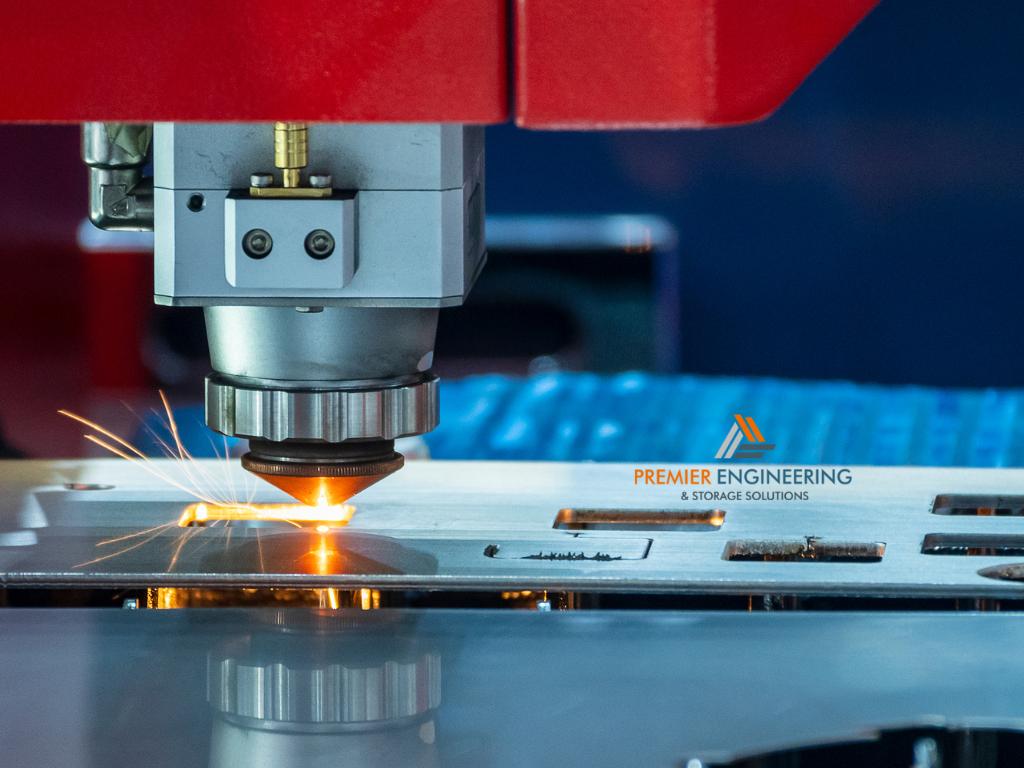
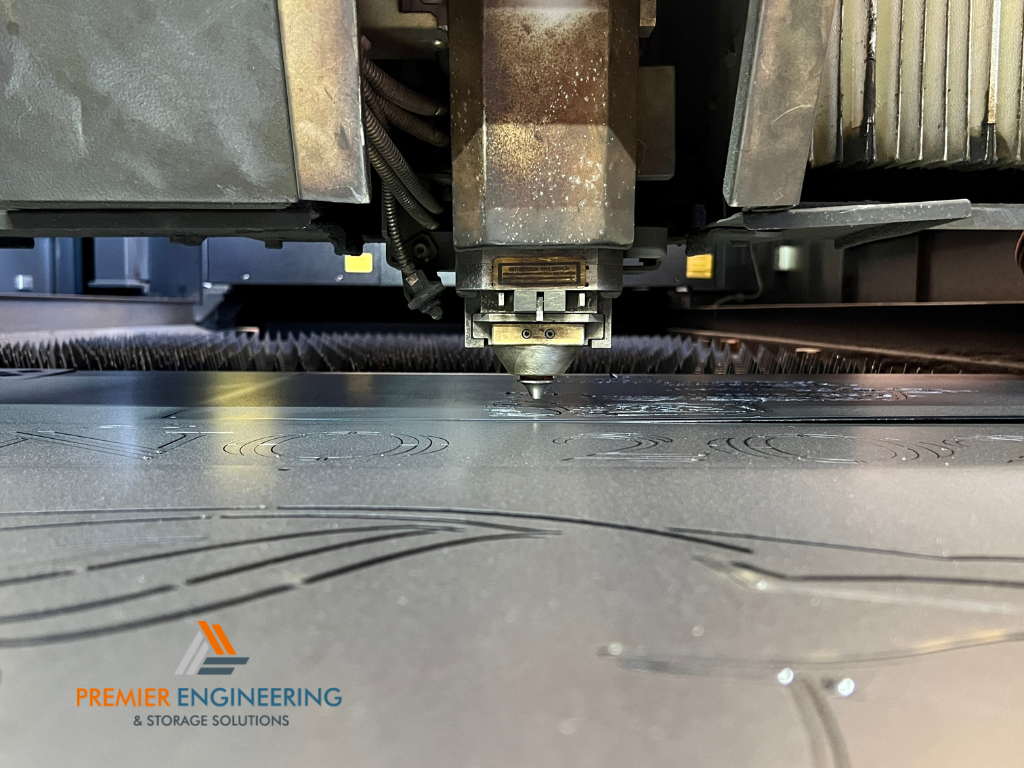
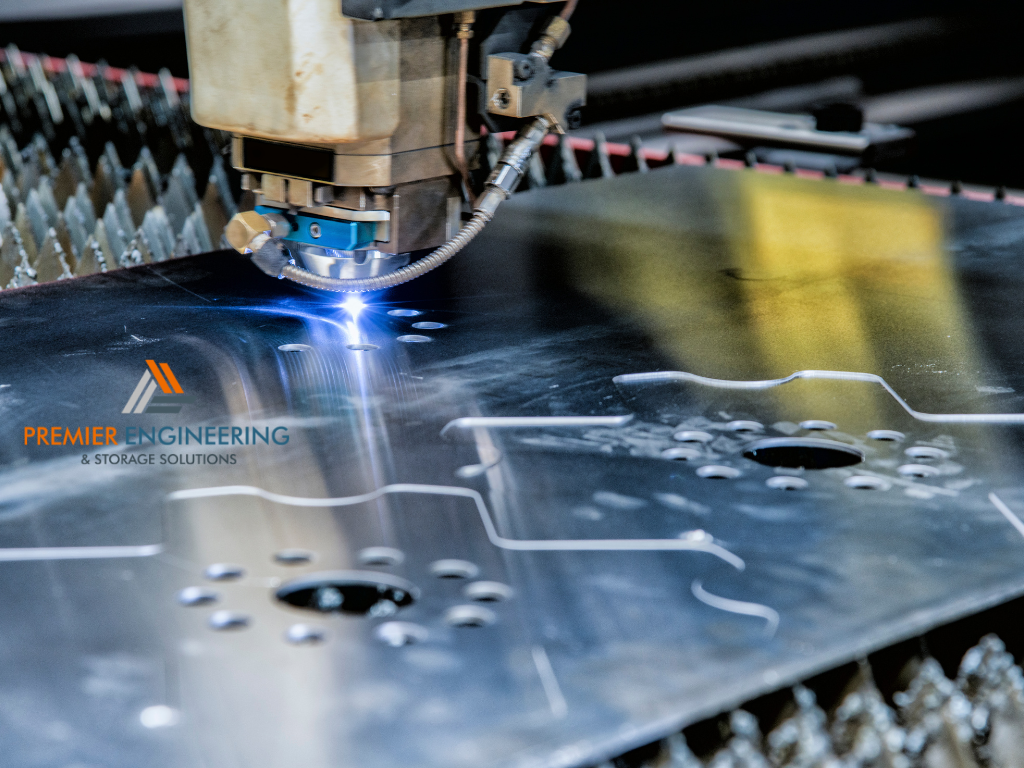
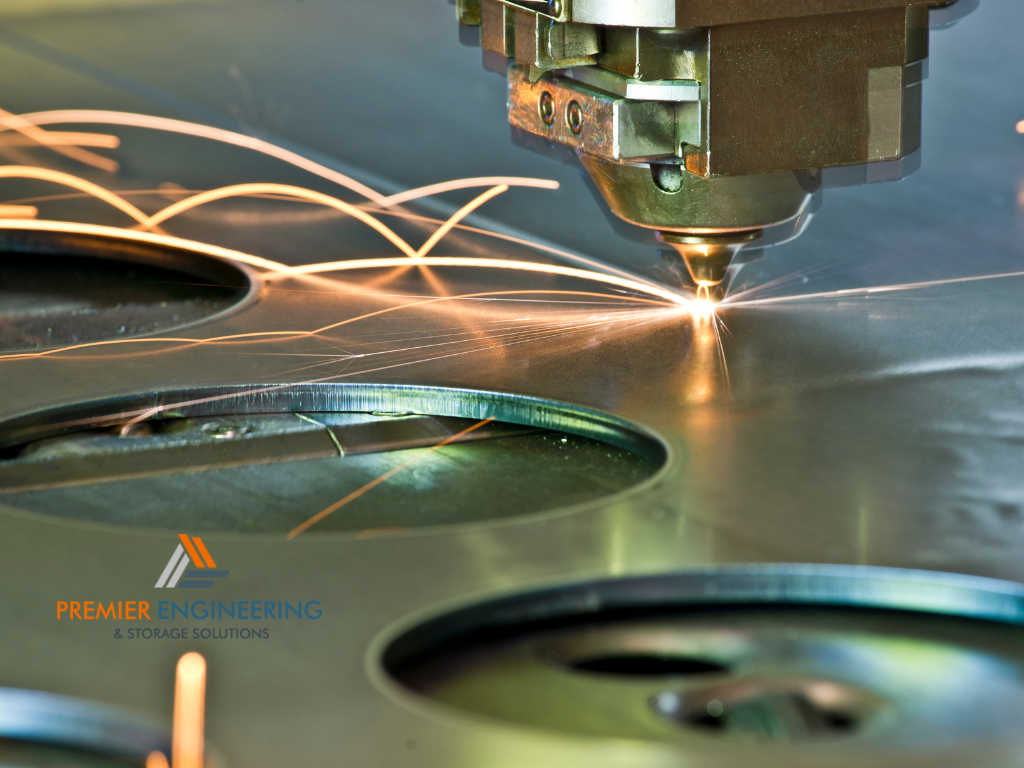
laser cutting sydney is a modern fabrication process used to cut sheet metal with extremely high precision. Laser cutting machines use concentrated beams of light to cut through metal materials quickly and accurately.
This technology allows manufacturers to create complex shapes and fine details that may be difficult to achieve with punching alone. Curved lines, detailed designs, and intricate patterns can all be produced using laser cutting.
Many fabrication facilities use laser cutting sydney when components require smooth edges and precise outlines. The process produces clean cuts that often require minimal finishing or additional processing.
Because of its accuracy, laser cutting is commonly used in industries such as architecture, machinery manufacturing, electronics, and equipment fabrication.
Why Manufacturers Combine Laser Cutting and Punching
Manufacturers often combine laser cutting sydney with punching processes to improve production flexibility. Each method has unique advantages that support different fabrication needs.
Punching is highly efficient when producing repeated hole patterns or ventilation designs. Laser cutting, on the other hand, is better suited for detailed shapes and curved designs.
By integrating both processes within the same production line, manufacturers can achieve greater design freedom. This combination allows them to produce complex components while maintaining production efficiency.
Using both punching and laser cutting technologies also improves overall manufacturing accuracy and reduces production time.
Why Metal punching services Are Essential for Industrial Manufacturing
How Metal punching services Improve Production Efficiency
Metal punching services help manufacturers improve production efficiency by allowing large numbers of metal components to be produced quickly. Punching machines can process sheet metal at high speeds while maintaining accurate hole placement and consistent dimensions.
This level of productivity is important in industries that require high-volume manufacturing. Companies producing machinery, equipment enclosures, and structural components often rely on punching technology to maintain production output.
Automated punching systems also reduce the need for manual labour. Once the machine program is set, the punching process can continue with minimal supervision. This allows manufacturers to increase productivity while maintaining reliable quality.
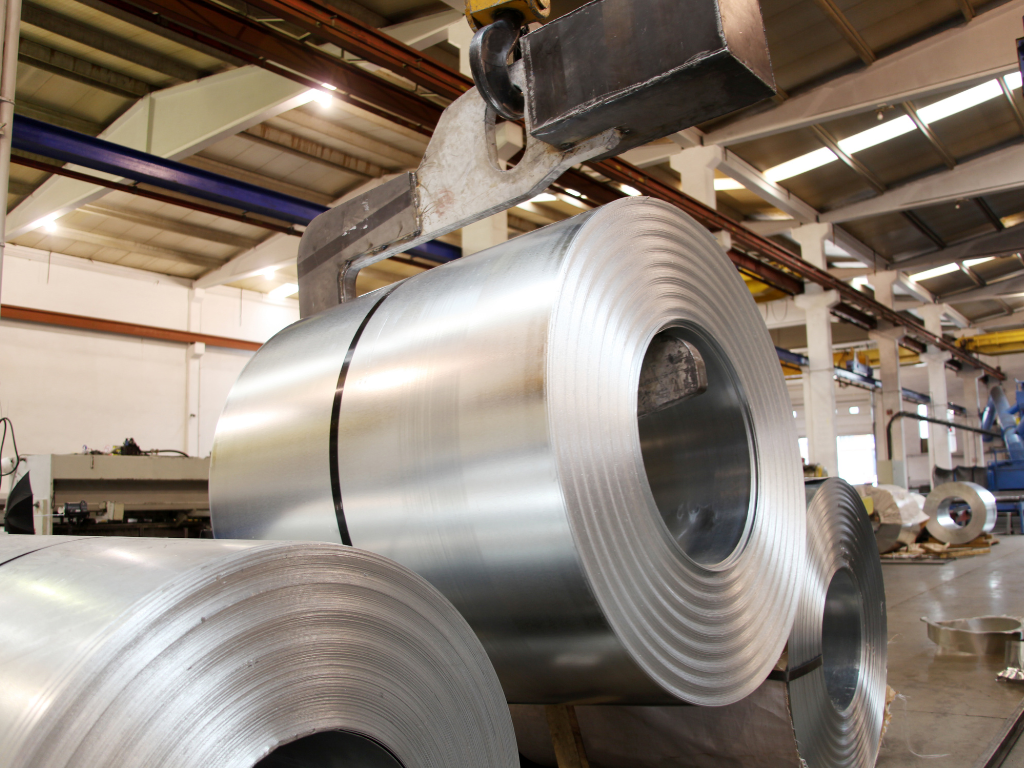
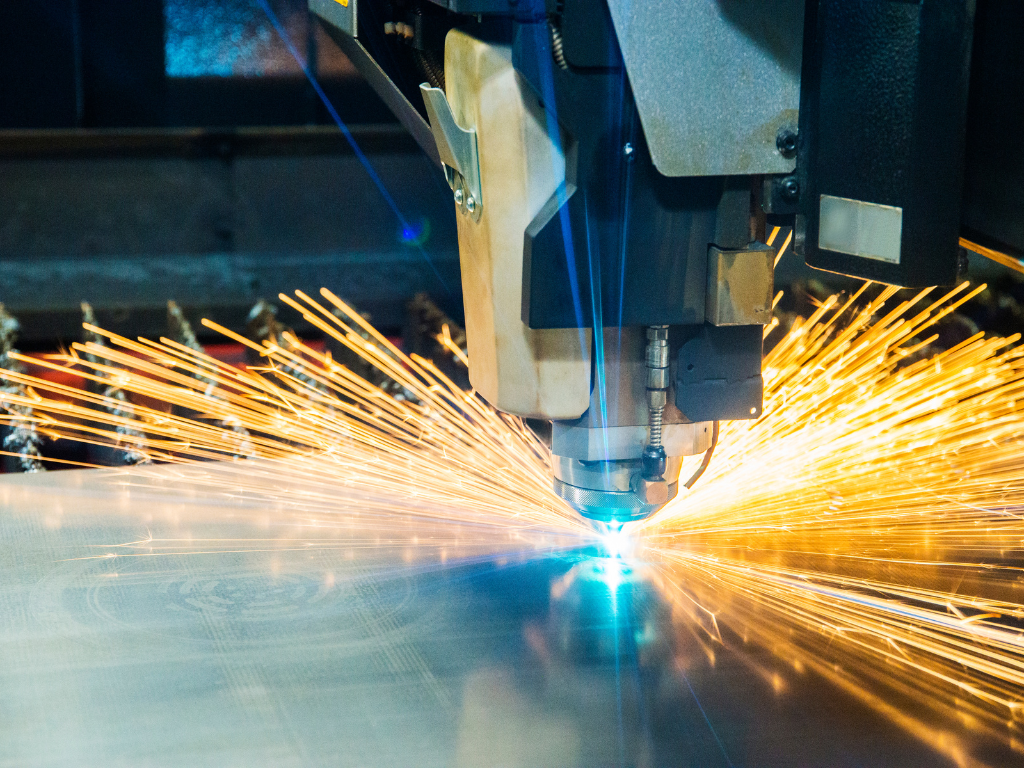
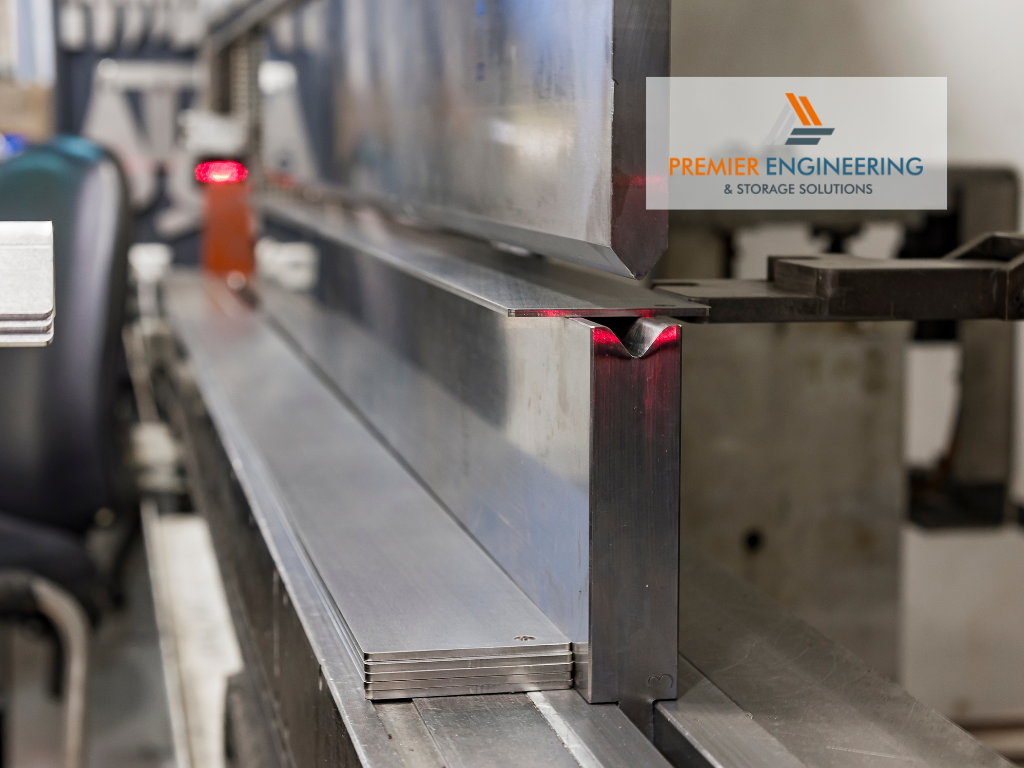 The sheet metal manufacturing process is a complicated process that involves many steps